Vector Floral Pattern with Lily: Evaluation for Design Projects
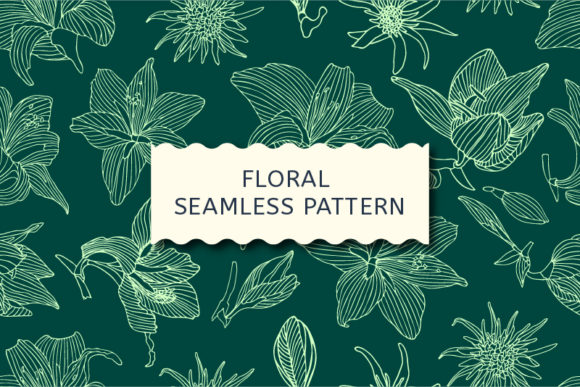
Selecting the appropriate surface pattern is a critical decision in textile and interior design. The Vector Floral Pattern with Lily offers a specific aesthetic solution characterized by botanical accuracy and technical versatility. This asset features light hippeastrum and tragopogon flowers isolated on a green background, arranged in a seamless tile flowering pattern. For designers, manufacturers, and digital artists evaluating this resource, understanding its composition, file specifications, and practical applications is essential for determining if it aligns with current project requirements.
Defining the Asset and Aesthetic Profile
The Vector Floral Pattern with Lily is not merely a decorative image; it is a structured design asset built for scalability. The pattern integrates lilies alongside art floral vector elements, creating a balanced composition that avoids visual clutter. The inclusion of botany leaves and scapes provides necessary negative space and structural integrity to the repeat, ensuring the pattern does not appear disjointed when tiled across large surfaces.
The color palette focuses on light hippeastrum and tragopogon tones set against a green background. This specific chromatic choice positions the pattern within the realm of organic and naturalistic design rather than high-contrast graphic art. The isolation of the flowers allows for distinct readability of each botanical element, which is particularly important for applications where detail recognition matters, such as wrapping paper or close-view interior textiles. Users should note that while the title references "Lily," the design is a composite floral arrangement, making it suitable for general spring or summer themes rather than species-specific botanical illustrations.
Technical Specifications and File Utility
Evaluating the technical deliverables is as important as assessing the visual style. This package includes three distinct components that serve different stages of the production workflow:
- EPS 10 Vector File: This is the primary source file compatible with Adobe Illustrator and importable into Photoshop. EPS 10 format ensures broad compatibility across various versions of vector software. Because it is vector-based, the pattern can be scaled infinitely without pixelation, making it viable for everything from small stationery items to large-format wall coverings.
- High-Resolution JPG: Measuring 6000x4000 pixels, this rasterized version serves as a quick preview or a ready-to-use file for digital-only projects where vector editing is unnecessary. The resolution is sufficient for high-quality printing at standard DPI settings, though it lacks the editability of the EPS.
- TXT Readme File: Often overlooked, this file typically contains licensing information, color profile data, or specific instructions for manipulating the seamless repeat. Consulting this document prevents common errors regarding commercial usage rights or color space conversion.
The seamless nature of the tile flowering pattern is a significant technical advantage. Unlike non-tiled images that require manual manipulation to create repeats, this asset is engineered to abut perfectly on all sides. This reduces preparation time for fabric printing and wallpaper manufacturing, minimizing the risk of visible seam lines in the final product.
Applications and Use Case Suitability
The Vector Floral Pattern with Lily performs best in contexts that demand organic elegance and scalable precision. Its primary strength lies in physical product manufacturing and interior surfacing.
Fabric and Interior Textile
For fashion and upholstery, the vector format allows designers to adjust the scale of the lily and art floral motifs to suit different garment cuts or furniture dimensions. The green background provides a neutral yet rich base that pairs well with various fabric dyes. However, designers must consider the print method; the intricate details of the botany leaves and scapes reproduce best with digital textile printing or high-screen-count rotary printing. Lower-resolution screen printing may lose the subtlety of the light hippeastrum shading.
Wallpaper and Tile Backgrounds
In interior architecture, the seamless tiling capability is paramount. The pattern’s density is balanced enough to act as a feature wall without overwhelming a room, yet detailed enough to prevent boredom upon closer inspection. For tile backgrounds, the vector lines ensure crisp edges even when printed on ceramic or porcelain. The green background tone should be verified against physical samples, as screen colors often differ from fired glaze or inkjet output.
Digital Paper and Wrapping Paper
For packaging and digital stationery, the 6000x4000 px JPG offers immediate utility. The isolated flower placement creates natural focal points for text overlays or branding elements. In wrapping paper applications, the repeat size dictates the rhythm of the unboxing experience; users should verify that the repeat scale matches the intended gift size to avoid awkward cropping of the lily motifs.
Tradeoffs and Considerations
While the Vector Floral Pattern with Lily offers significant benefits, objective evaluation requires acknowledging potential limitations.
Color Space Management: Vectors are often created in RGB for screen viewing but require CMYK for print. The specific greens used in the background and the delicate tones of the tragopogon flowers may shift during conversion. Users must be prepared to perform color proofing and potentially adjust spot colors to maintain fidelity.
Editability vs. Complexity: While the EPS file is editable, complex floral vectors can contain thousands of anchor points. Modifying the pattern structure or recoloring individual elements may require advanced proficiency in Adobe Illustrator. Simple global color changes are straightforward, but altering the arrangement of the botany leaves or reshaping the lilies can be labor-intensive.
Aesthetic Specificity: The combination of light hippeastrum and tragopogon creates a distinct vintage-botanical mood. This specificity is a strength for targeted projects but a limitation for generic designs. If a project requires a modern, minimalist, or abstract floral, this asset may feel too traditional or detailed.
Decision-Making Framework
Determining whether this asset is the correct choice involves weighing specific project parameters against the pattern's characteristics.
Choose this pattern if:
- Your project requires infinite scalability for large-format printing.
- You need a pre-made seamless repeat to reduce production setup time.
- The design brief calls for naturalistic, botanically inspired aesthetics with a green-dominant palette.
- You possess the software (Adobe Illustrator/Photoshop) and skills to utilize vector assets effectively.
Consider alternatives if:
- The project is strictly digital and low-resolution, making the vector file unnecessary overhead.
- You require a fully original, exclusive design and cannot accept the licensing terms associated with stock vector assets.
- The target manufacturing process has low color gamut limitations that cannot reproduce the subtle gradients of the light hippeastrum flowers.
- You lack the technical capability to manage vector-to-print color workflows.
Ultimately, the Vector Floral Pattern with Lily serves as a robust foundation for professional design work. Its value is derived not just from its visual appeal, but from its technical construction as a seamless, scalable, and multi-format asset. By carefully evaluating the alignment between these technical attributes and your specific production needs, you can determine if this pattern is the most efficient and effective solution for your creative objectives.