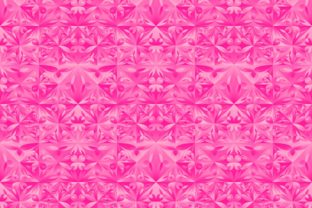
Pink Seamless Gradient Floral Pattern: A Versatile Design for Your Projects
When it comes to adding a touch of elegance and sophistication to your design projects, the Pink Seamless Gradient Floral Pattern is a fantastic choice. This versatile pattern combines the softness of pink with the intricate beauty of floral designs, making it perfect for a wide range of applications, from web backgrounds to print materials.
Understanding the Pink Seamless Gradient Floral Pattern
The Pink Seamless Gradient Floral Pattern is a seamless, gradient-based design that features a beautiful blend of pink hues and abstract floral elements. The seamless nature of the pattern means it can be tiled infinitely without any visible seams, making it ideal for large-scale projects. Available in both JPG (5000x5000) and vector formats (EPS and AI), this pattern offers flexibility and scalability, ensuring it looks great on any platform.
Ignoring the Importance of Color Compatibility
One of the most common mistakes when using the Pink Seamless Gradient Floral Pattern is not considering how the colors will complement or clash with other elements in your design. Pink, while generally a soft and appealing color, may not always be the best choice depending on the overall theme and branding of your project.
- Check the color scheme: Ensure that the pink tones in the pattern align with your brand's color palette. Use tools like Adobe Color or Coolors to find complementary colors.
- Test in different contexts: Place the pattern in various parts of your design to see how it interacts with other elements. This will help you make informed decisions about its placement and scale.
Overlooking File Format and Resolution
Another frequent mistake is not paying attention to the file format and resolution of the pattern. Using the wrong format or a low-resolution image can significantly impact the quality of your final product.
- Choose the right format: For web use, the JPG format is usually sufficient. However, for high-quality prints or scalable designs, opt for the vector EPS or AI files.
- Ensure high resolution: If using the JPG, make sure it is at 5000x5000 pixels to maintain clarity and sharpness, especially for larger displays or prints.
Not Considering the Context of Use
It’s essential to think about the context in which the Pink Seamless Gradient Floral Pattern will be used. A pattern that works well for a website background might not be suitable for a business card or a formal report.
- Understand the purpose: Determine the primary use of the pattern. Is it for a website, a presentation, or a printed brochure? Each context has different requirements and constraints.
- Adjust the scale and density: Depending on the application, you may need to adjust the scale and density of the pattern. For example, a dense pattern might work well for a website but could be overwhelming in a small print space.
Start with a Clear Vision
Before incorporating the Pink Seamless Gradient Floral Pattern into your design, have a clear vision of what you want to achieve. This includes understanding the message, the target audience, and the overall aesthetic you are aiming for.
Experiment with Different Layouts
Don’t be afraid to experiment with different layouts and placements. Try the pattern as a full background, a subtle overlay, or even as a border. This will help you see how it enhances or detracts from your design.
Seek Feedback and Iterate
Always seek feedback from others, whether it’s colleagues, friends, or potential users. Fresh eyes can provide valuable insights and help you identify areas for improvement. Be open to making changes and iterating on your design until you achieve the desired result.
Final Thoughts
The Pink Seamless Gradient Floral Pattern is a versatile and elegant design element that can add a touch of sophistication to your projects. By avoiding common mistakes and following practical advice, you can ensure that the pattern enhances your design and communicates your message effectively. Remember to consider the color compatibility, file format, and context of use, and always be open to feedback and iteration. With these tips in mind, you’ll be well on your way to creating stunning and professional designs.