Wedding Card with Soft Floral Watercolor: A Practical Design Solution
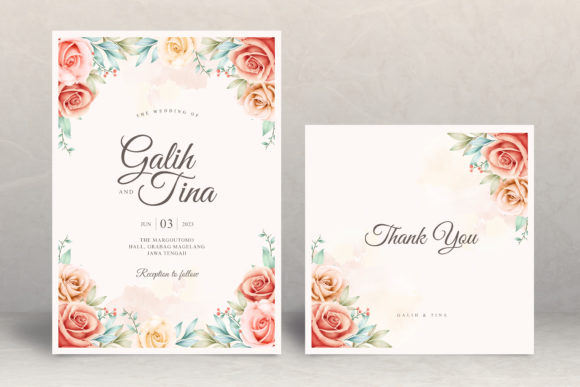
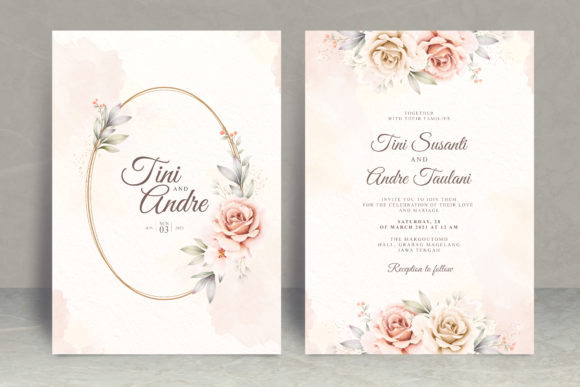
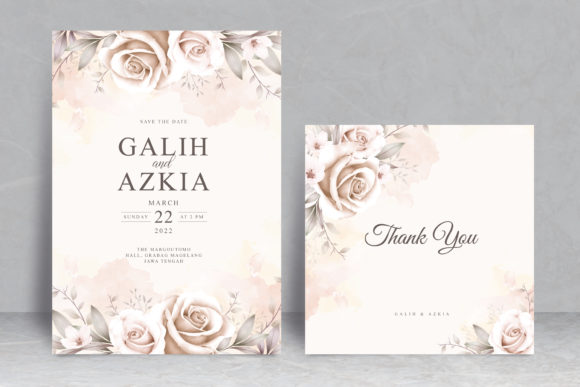
A Wedding Card with Soft Floral Watercolor is more than just a decorative template; it is a versatile design asset that bridges the gap between professional aesthetics and personal sentiment. At its core, this resource provides a pre-structured layout featuring delicate, hand-painted botanical elements rendered in translucent washes. Unlike rigid, pre-rendered images, this specific type of wedding invitation card template is built for modification. It serves as a foundational canvas where the soft floral watercolor acts as an atmospheric backdrop rather than an overpowering foreground, ensuring that essential details like names, dates, and venues remain legible and prominent.
The defining characteristic of this template is its balance. The watercolor elements are intentionally subdued to allow for high contrast with typography. This makes it distinct from generic floral patterns that often clash with text. For users ranging from DIY brides to freelance graphic designers, the value lies in the separation of artistic elements and functional space. The included EPS file ensures that these organic shapes remain crisp at any size, whether printed on a 5x7 card or scaled up for a welcome sign, while the restriction to free fonts eliminates future licensing headaches.
Real-World Applications Beyond Traditional Invitations
While the primary intent is clearly matrimonial, the utility of a Wedding Card with Soft Floral Watercolor extends into various creative and commercial scenarios. Understanding where and when to deploy this asset can save significant time and budget across different projects.
Personal Milestones and Family Events
The most immediate application is for couples managing their own wedding stationery. However, the soft aesthetic translates seamlessly to other life events. New parents frequently use this template style for birth announcements because the gentle color palette conveys tenderness without being overly gender-specific. Similarly, anniversary celebrations, particularly silver or golden jubilees, benefit from the timeless nature of watercolor florals. In these instances, the editable text color feature becomes crucial. A couple might choose deep sage green for a rustic autumn wedding, while parents announcing a newborn might opt for warm terracotta or soft slate blue, all within the same underlying floral framework.
Freelance Designers and Small Business Owners
For freelance creatives and small stationery business owners, this template functions as a scalable product base. Instead of illustrating new florals for every client inquiry, designers can utilize the EPS file as a reliable starting point. This is particularly valuable during peak wedding seasons when turnaround times are tight. Because the template uses only free fonts, designers can deliver final files to clients without worrying about embedding proprietary typefaces or transferring expensive font licenses. This streamlines the handoff process and reduces administrative friction.
Small businesses in the beauty, wellness, and boutique retail sectors also find value here. A spa launching a spring promotion or a skincare brand introducing a new botanical line can adapt the Wedding Card with Soft Floral Watercolor for marketing collateral. The association with elegance and natural beauty transfers effectively to commercial branding, provided the text hierarchy is adjusted to highlight offers rather than ceremony details.
Educational and Community Organizations
Non-profits, schools, and community groups often operate with limited design budgets but still require polished materials for fundraising galas or spring teas. The soft floral watercolor aesthetic communicates warmth and approachability, which is ideal for community engagement. Using an editable template allows volunteers or staff members with basic design skills to produce professional-grade invitations without hiring an agency. The ability to customize text color ensures the design can align with organizational branding guidelines while retaining the organic feel of the artwork.
Leveraging Technical Features for Better Outcomes
The features of this elegant wedding invitation card template are designed to solve specific pain points in the design workflow. Understanding how to leverage them transforms a static file into a dynamic tool.
The Strategic Advantage of Free Fonts
The specification that "only free fonts used" is a critical practical feature, not just a cost-saver. In professional design workflows, font licensing is a common bottleneck. By utilizing open-source or free-for-commercial-use typefaces, this template removes legal ambiguity. For educators creating classroom resources or bloggers designing digital downloads, this means the end product is safe to distribute widely. It also ensures longevity; free fonts from reputable foundries are less likely to disappear from the market than obscure paid fonts, making future edits possible years down the line.
EPS Files and Print Versatility
The inclusion of an EPS (Encapsulated PostScript) file is what separates a professional template from a consumer-grade JPEG. EPS is a vector-based format, meaning the floral watercolor elements and layout structures are defined by mathematical paths rather than pixels. When preparing a Wedding Card with Soft Floral Watercolor for professional offset printing, the EPS file guarantees that edges remain sharp and colors stay consistent. This is essential for users who plan to print large-format items like seating charts or arch signage. Even if you are editing primarily in raster software like Photoshop, starting with the EPS source preserves quality that would otherwise be lost in conversion.
Customizable Text Color as a Mood Setter
Color psychology plays a massive role in event perception. The customizable text color feature allows users to shift the entire emotional tone of the card without altering the artwork. Dark charcoal text suggests formality and tradition, while muted gold implies luxury and celebration. Dusty rose or lavender leans into romance and softness. This flexibility means one template can serve multiple clients or personal needs simply by adjusting the typographic palette. It also aids accessibility; users can ensure sufficient contrast ratios against the watercolor background to maintain readability for older guests or those with visual impairments.
Critical Considerations Before Downloading or Buying
Before integrating a Wedding Card with Soft Floral Watercolor into your workflow, several practical factors warrant evaluation to ensure the asset meets your specific needs.
- Software Compatibility: Verify that your current design software supports EPS files natively. While many programs import EPS, some may rasterize them upon opening, negating the vector benefits. Adobe Illustrator, Affinity Designer, and CorelDRAW typically offer the best native support.
- Print vs. Digital Intent: Determine if your primary output is physical or digital. If sending via email or social media, the intricate details of soft floral watercolor may compress poorly. You may need to simplify the design or increase contrast for screen viewing compared to print production.
- Font Verification: Although the template specifies free fonts, always double-check the specific typeface licenses included in the download. "Free" can sometimes mean "free for personal use only." Confirming commercial rights upfront prevents issues if you are selling derived products or using it for business marketing.
- Artwork Layer Structure: Examine the layer organization before committing. A well-structured template separates background washes, detailed floral accents, and text placeholders. If the florals are flattened into a single background layer, customization options will be severely limited.
- Bleed and Safe Zones: For print projects, check if the template includes proper bleed margins. Watercolor designs often look best when they bleed off the edge of the paper, but this requires specific file setup. Ensuring the template accounts for trim lines saves costly reprinting errors.
Making the Template Your Own
Ultimately, the success of using an elegant wedding invitation card template with soft floral watercolor depends on thoughtful adaptation. The goal is not to replicate the preview image exactly, but to use it as a sophisticated starting point that respects both the artistry of the watercolor and the functional requirements of communication. Whether you are a bride seeking affordability, a designer seeking efficiency, or a business owner seeking elegance, the key lies in respecting the medium. Keep text away from the darkest watercolor concentrations, honor the whitespace that gives the florals room to breathe, and utilize the editable features to create something that feels bespoke rather than borrowed. When applied with intention, this template delivers professional results that resonate emotionally with recipients while maintaining practical viability for the creator.