Beautiful Watercolor Floral Wedding Card: A Practical Guide to Customizable Stationery
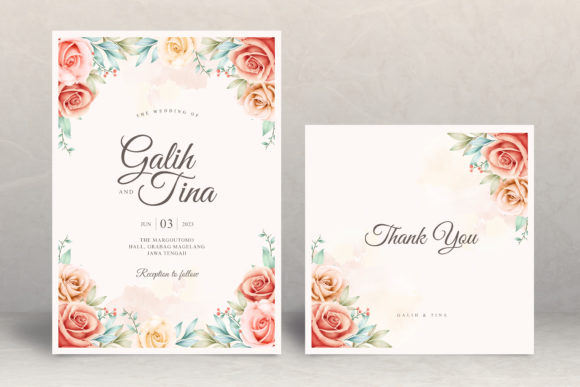
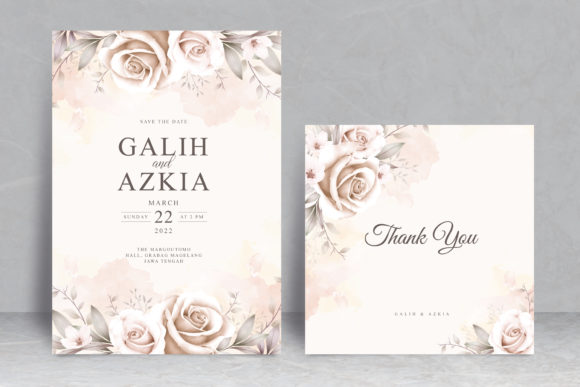
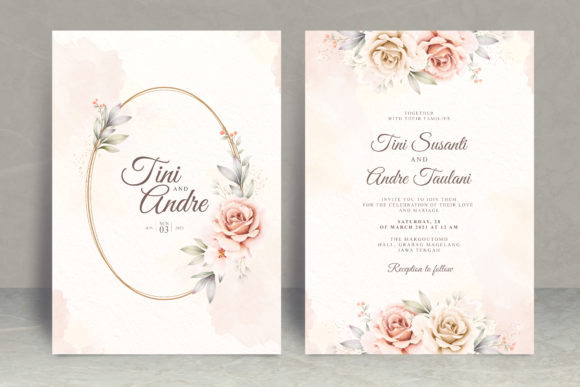
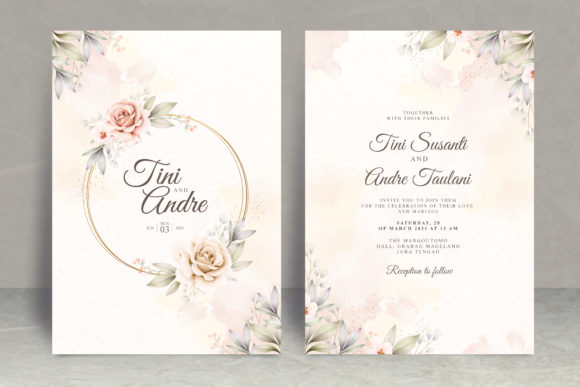
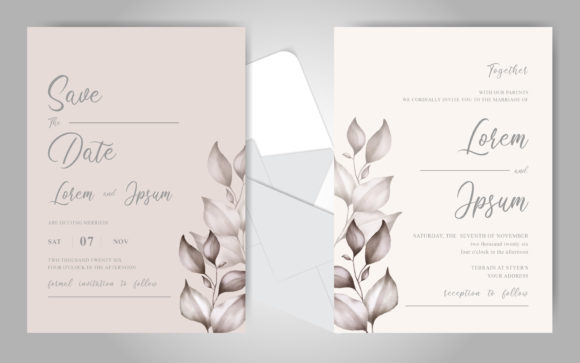
When planning a wedding, the invitation sets the tone for the entire celebration. A Beautiful Watercolor Floral Wedding Card bridges the gap between traditional elegance and modern accessibility, offering couples a way to convey romance without the steep price tag of hand-painted stationery. These digital templates provide the organic, soft aesthetic of watercolor art while remaining fully editable for practical use. Unlike rigid pre-printed cards, these templates allow you to adjust text, colors, and layout to match your specific vision, all within a standard 5×7 inch format that fits perfectly into A7 envelopes.
The true value of these templates lies in their versatility. They are not just static images; they are functional design assets provided in EPS format, ensuring high-resolution printing whether you are producing twenty cards or two hundred. By utilizing free fonts and customizable color palettes, couples can achieve a bespoke look that aligns with their budget and timeline. Understanding how to leverage these features in real-world scenarios is key to transforming a generic template into a meaningful announcement.
Navigating Real-World Wedding Scenarios
Every wedding has unique constraints and stylistic goals. The adaptability of a watercolor floral template makes it suitable for diverse situations where time, budget, or aesthetic precision is a factor.
The Budget-Conscious DIY Couple
For couples managing a tight budget, professional stationery designers can consume a significant portion of the paper goods allowance. A Beautiful Watercolor Floral Wedding Invitation Cards Template serves as a cost-effective alternative that does not sacrifice visual quality. In this scenario, the user benefits from the "Easy to Use" architecture of the file. Instead of paying hourly rates for revisions, the couple can experiment with different font pairings and floral arrangements at their own pace. The inclusion of EPS files means they can take the finalized design to a local print shop or an online vendor like Vistaprint or Prints of Love, retaining full control over paper stock and quantity without markup fees.
Last-Minute Timeline Adjustments
Wedding planning rarely goes exactly according to schedule. Venue changes, date shifts, or updated RSVP details often occur weeks before the event. With traditional printed invitations, these changes result in wasted inventory and rush fees. Digital watercolor templates eliminate this risk. If a venue changes its name or a start time shifts by thirty minutes, the text is instantly editable. This flexibility is particularly valuable for engagement parties or bridal showers where timelines are often compressed. The ability to customize text color also allows for quick differentiation between events; a couple might use sage green for the shower and dusty rose for the main ceremony, maintaining brand consistency across multiple pieces of stationery.
Destination and Thematic Weddings
Watercolor florals are inherently evocative of nature, making them ideal for garden, vineyard, or beach weddings. However, not all florals suit every theme. The customizable nature of these templates allows users to tailor the artwork to their specific location. For a tropical destination wedding, the floral elements might be recolored to feature vibrant corals and teals. For a rustic autumn gathering, warmer ochres and burgundies can be applied to the same base design. This level of customization ensures the Beautiful Watercolor Floral Wedding Card feels native to the environment rather than like a generic placeholder.
Understanding File Formats and Editing Capabilities
To get the most out of these templates, it is helpful to understand the technical specifications and how they translate to physical products. The primary deliverable mentioned is the EPS file, which is a vector-based format. This distinction matters significantly for print quality.
- Scalability Without Pixelation: Because EPS files are vector-based, the watercolor edges remain crisp regardless of size. While the template is designed for 5×7 inches, the artwork can be scaled down for thank-you cards or up for welcome signs without losing resolution.
- Color Separation and Accuracy: Vector files handle color differently than raster images like JPEGs. When customizing text color or floral hues, the EPS format ensures that the colors remain distinct and printable. This reduces the risk of muddy gradients that can sometimes occur with low-resolution watercolor scans.
- Font Independence: The requirement that "Only free font used" is a critical practical feature. Many templates rely on premium typefaces that require separate licensing purchases. By sticking to free, open-source fonts (often available via Google Fonts or similar repositories), users avoid hidden costs and legal gray areas regarding commercial use for personal events.
Design Considerations Before Customizing
While these templates are designed for ease of use, achieving a professional result requires thoughtful application. The "beautiful" aspect of a watercolor card comes from balance, not just the presence of flowers.
Typography Hierarchy and Readability
Watercolor backgrounds are visually busy. When editing the text, prioritize legibility over decoration. High contrast is essential; dark grey or charcoal text often reads better against pastel watercolors than pure black, which can feel too harsh, or light colors, which may disappear during printing. Utilize the customizable text color feature to pull a secondary shade from the floral artwork itself. This creates cohesion. Ensure that critical information—date, time, and location—is set in a clean serif or sans-serif font, reserving script fonts strictly for names or headers.
Paper Stock Selection
The digital file is only half the equation. Watercolor aesthetics rely heavily on texture. Printing a Beautiful Watercolor Floral Wedding Card on glossy photo paper often diminishes the artistic effect, making it look like a digital reproduction rather than painted art. Matte, linen, or cotton cardstocks absorb ink in a way that mimics traditional watercolor paper. When preparing the EPS file for print, consider adding a subtle texture overlay if the template allows, or select a paper that provides that tactile experience physically. The 5×7 inch dimension is standard, but verifying bleed requirements with your specific printer before finalizing the file prevents white borders from appearing on the finished product.
Balancing Negative Space
A common mistake when using floral templates is overcrowding. The negative space (the empty area around the text and flowers) is what gives the design its elegance. When customizing the layout, resist the urge to fill every corner. If the template includes multiple floral clusters, consider removing some to create a more minimalist, modern look. Conversely, if the design feels too sparse, duplicating and rotating existing vector elements can create a lush border. The editability of the EPS file empowers users to act as art directors, adjusting the density of the florals to match the formality of the event.
Evaluating Strengths and Limitations
Choosing a template over custom design involves trade-offs. Recognizing these helps manage expectations and ensures the final product meets your standards.
Strengths:
- Immediate Access: No waiting for proofing rounds or designer availability. The asset is ready for immediate iteration.
- Cost Efficiency: Significant savings compared to bespoke illustration, freeing up budget for other wedding elements.
- Skill Accessibility: Designed for users with basic vector editing knowledge, lowering the barrier to entry for DIY stationery.
Limitations:
- Uniqueness Factor: As a template, there is a possibility that other couples may use the same base artwork. Mitigation comes through aggressive customization of color, typography, and layout arrangement.
- Software Requirements: EPS files typically require Adobe Illustrator, Affinity Designer, or compatible vector software. Users without access to these tools may need to convert files or seek assistance, unlike simpler Canva-based templates.
- Artistic Ceiling: While beautiful, template florals have fixed brush strokes. They cannot be altered to depict specific, meaningful flowers (like a grandmother’s favorite peony) unless the user possesses advanced illustration skills to modify the vectors.
Ultimately, a Beautiful Watercolor Floral Wedding Card template offers a pragmatic solution for modern couples. It respects the tradition of floral stationery while accommodating the realities of contemporary wedding planning. By focusing on smart customization, appropriate material selection, and thoughtful typography, users can create invitations that feel deeply personal and professionally executed, proving that accessible design tools can still yield breathtaking results.