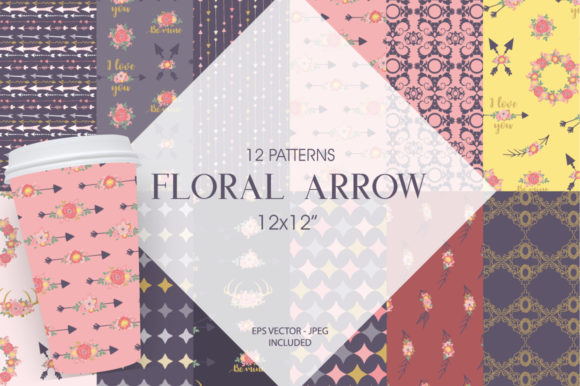
Floral Arrow: A Practical Guide to Botanical Directional Design
In the evolving landscape of visual communication and environmental design, few elements bridge the gap between organic beauty and functional utility as effectively as the Floral Arrow. While traditional signage and directional markers often rely on stark industrial materials or digital displays, the Floral Arrow introduces a softer, more intuitive approach to guiding human movement and attention. This concept extends beyond simple decoration; it represents a deliberate fusion of botanical aesthetics with navigational logic. For event planners, retail designers, landscapers, and content creators, understanding the nuances of this design element is essential for creating spaces that feel both curated and welcoming.
The term Floral Arrow encompasses a wide spectrum of applications, ranging from large-scale living installations at weddings to subtle graphic motifs in digital branding. At its core, it is a directional indicator constructed from or inspired by floral arrangements. However, its value lies not just in pointing the way, but in setting a tone. Unlike a plastic sign that merely conveys data, a Floral Arrow communicates atmosphere, seasonality, and care. This article explores the practical dimensions of integrating these elements into professional and personal projects, focusing on usability, material selection, and contextual appropriateness.
The Functional Psychology of Botanical Wayfinding
To utilize a Floral Arrow effectively, one must first understand why it works. Human navigation is deeply tied to visual landmarks. In environments saturated with visual noise, organic shapes tend to stand out because they contrast with the rigid geometry of modern architecture. A Floral Arrow leverages biophilic design principles—the innate human tendency to seek connections with nature—to reduce cognitive load. When a visitor encounters a direction marked by flowers, the instruction feels less like a command and more like an invitation.
This psychological softening is particularly valuable in high-stress or transitional environments. Consider a hospital garden or a wellness retreat; standard metal signage can feel clinical and cold. A Floral Arrow composed of calming greenery and soft blooms maintains the necessary directional clarity while reinforcing the therapeutic intent of the space. Similarly, in retail settings, these elements can slow down foot traffic, encouraging customers to pause and engage with merchandise rather than rushing through a corridor. The arrow serves a dual purpose: it directs physical movement while simultaneously directing emotional response.
Material Selection and Longevity
One of the most common points of failure in floral design is underestimating environmental stressors. When planning a Floral Arrow, the choice between fresh, dried, and artificial materials dictates both the aesthetic outcome and the maintenance schedule. There is no single "best" option; suitability depends entirely on the specific conditions of the installation site.
- Fresh Botanicals: Ideal for short-duration events (4–8 hours). Fresh Floral Arrows offer unmatched vibrancy and scent but require hydration mechanics, such as water tubes or floral foam, and are susceptible to wilting in heat or wind. They are best reserved for climate-controlled interiors or cool outdoor evenings.
- Preserved and Dried Flowers: These provide the texture and matte elegance of nature without the perishability. A dried Floral Arrow is excellent for multi-day conferences or permanent retail displays. However, they are fragile and can shatter if touched frequently, making them better suited for visual-only zones rather than high-traffic touchpoints.
- High-Quality Silk and Botanical Replicas: Modern manufacturing has produced replicas that mimic the irregularity of real plants. These are the only viable option for long-term outdoor installations or areas with intense direct sunlight. While they lack scent, they guarantee that the Floral Arrow remains photogenic and structurally sound indefinitely.
Professionals must also consider the structural armature. A heavy arrangement requires a robust base that won't tip over in a breeze or when brushed against by passing guests. Weighted vessels, stake-driven frames, or wall-mounted grids are often necessary to ensure safety and stability.
Contextual Applications Across Industries
The versatility of the Floral Arrow allows it to transcend niche wedding decor and enter broader commercial and creative spheres. Its application varies significantly based on the user's objective and the audience's expectations.
Events and Experiential Marketing
In the events industry, the Floral Arrow has become a staple for guest flow management. Beyond the ceremony aisle, these elements are increasingly used to mark transitions between distinct experiential zones. For example, at a festival, a dense, wildflower-style arrow might signal the entrance to a relaxation area, while a sleek, monochromatic orchid arrangement could direct attendees toward a VIP lounge. The key here is semantic consistency; the style of the arrow must match the destination it points to. A mismatch creates cognitive dissonance that undermines the immersive experience.
Retail and Visual Merchandising
Retailers use Floral Arrows to break up linear sightlines and create organic pathways through merchandise. In a boutique, a small-scale floral marker on a shelf or hanging from a rack can draw the eye to new arrivals or promotional items more effectively than a printed tag. Because flowers carry seasonal associations, rotating these arrows allows businesses to signal freshness and timeliness without overhauling entire window displays. A spring tulip arrangement suggests renewal, while autumnal dahlias imply warmth and tradition.
Digital Design and Brand Identity
The concept of the Floral Arrow is not limited to physical space. Graphic designers and web creators frequently adapt this motif for digital interfaces. In UI/UX design, a stylized floral arrow can serve as a scroll indicator or a navigation button that aligns with a brand’s organic identity. Unlike physical installations, digital versions allow for animation and interaction, adding a layer of dynamism. However, the same principles of clarity apply: the floral embellishment should never obscure the directional function. If users cannot instantly recognize it as a navigational tool, the design has failed regardless of its artistic merit.
Evaluating Suitability and Managing Limitations
Despite their appeal, Floral Arrows are not universally appropriate. Professionals must exercise discernment to avoid aesthetic clutter or functional ambiguity. Before committing to this design element, consider the following evaluation framework.
- Clarity vs. Ornamentation: Does the floral element enhance readability or hinder it? In low-light environments or complex intersections, a highly detailed Floral Arrow may become visually muddy. In such cases, simpler silhouettes or integrated lighting is necessary.
- Allergen and Sensitivity Concerns: In healthcare, food service, or enclosed public venues, strong fragrances or pollen-heavy blooms can be problematic. Opting for unscented varieties or high-quality replicas mitigates health risks while preserving the visual benefit.
- Budget and Resource Allocation: Custom floral fabrication is labor-intensive. For temporary projects, rental options or modular components can reduce costs. For permanent installations, factor in ongoing maintenance or replacement cycles. A deteriorating Floral Arrow sends a message of neglect that is worse than having no signage at all.
- Cultural and Symbolic Resonance: Flowers carry diverse meanings across cultures. A lily might signify purity in one context and mourning in another. Researching local symbolism ensures the Floral Arrow communicates the intended sentiment without unintended offense.
Sustainability Considerations
Modern consumers and businesses are increasingly scrutinizing the environmental impact of decorative choices. The floral industry has faced criticism regarding water usage, pesticide application, and carbon footprint associated with imported blooms. When specifying a Floral Arrow, prioritize locally sourced, seasonal materials to minimize transport emissions. For larger projects, consider donating arrangements to hospitals or nursing homes post-event to extend their lifecycle. Alternatively, potted plants arranged in arrow formations can be replanted after use, transforming a temporary directional tool into a lasting ecological contribution. Sustainability is not merely an ethical add-on; it is becoming a baseline expectation for quality design.
Integrating Floral Arrows into Future Projects
As we move toward more human-centric design paradigms, the intersection of nature and function will continue to gain prominence. The Floral Arrow exemplifies this shift, offering a tangible solution to the challenge of making built environments feel more alive. Whether you are designing a website, planning a corporate gala, or reimagining a retail floor plan, this element provides a unique vocabulary for guidance.
Success lies in treating the Floral Arrow not as mere decoration, but as a functional component of the user experience. It requires the same rigorous planning as any architectural or graphic element: clear objectives, appropriate material specifications, and thoughtful integration with the surrounding environment. By approaching it with professional discipline and creative sensitivity, you can transform simple direction-giving into an act of hospitality and art. Ultimately, the most effective Floral Arrow is one that guides people effortlessly while leaving them with a lingering sense of beauty and intention.